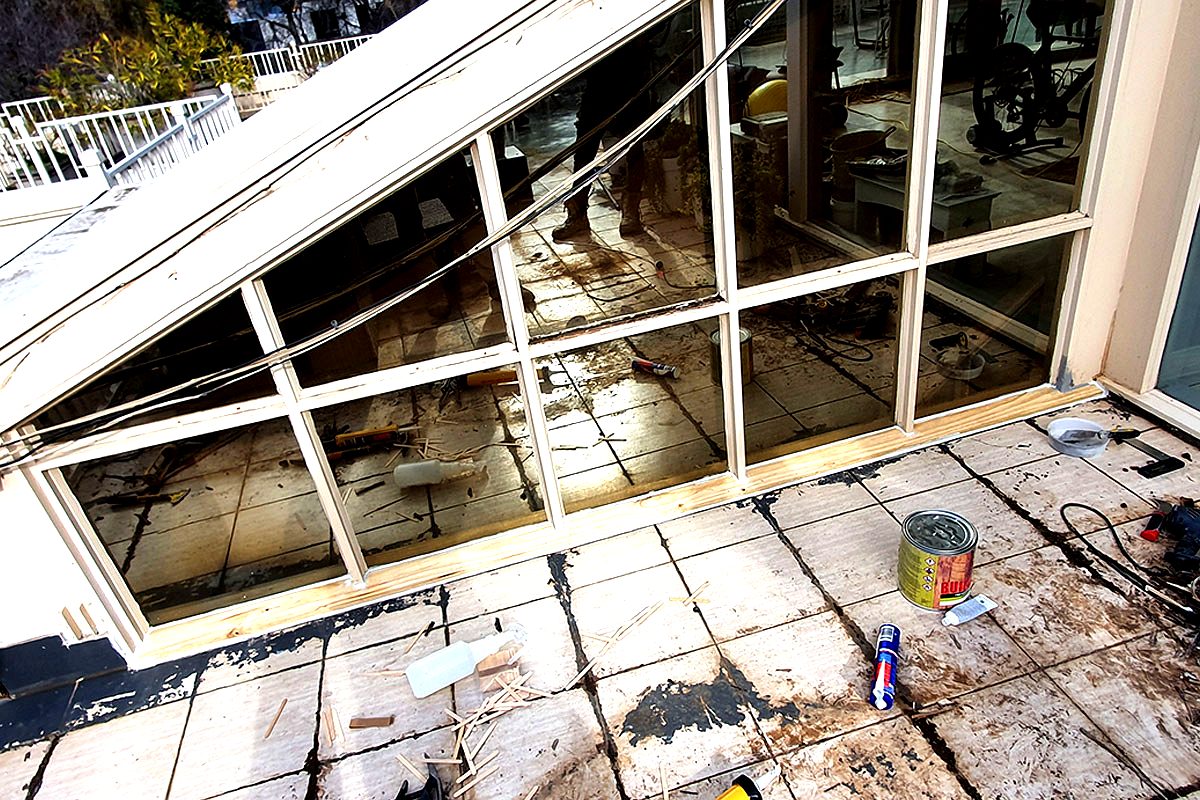
When I'm replacing rotted timber on a window frame, door jamb or fascia board, the replacement material is almost always H3 treated pine. This isn't a budget decision — it's the correct specification for the application, and it's what I'd use on my own home. Here's why.
What H3 Treatment Actually Does
Timber treatment ratings in Australia describe the hazard level the timber will be exposed to and the treatment required to resist it. H3 is the specification for above-ground exterior use in conditions with periodic wetting — exactly the conditions that window sills, door frames and fascia boards face. The treatment process impregnates the timber with a preservative that inhibits fungal growth and borer attack — the two primary causes of timber decay in external joinery.
The Treated Pine Association of Australasia provides detailed guidance on treatment specifications for different hazard classes. H3 is their recommendation for all above-ground external applications with regular moisture exposure.
Why Untreated Pine Fails Faster
Untreated pine is perfectly adequate for internal applications. In external conditions with moisture cycling — wet and dry, wet and dry — it's vulnerable. Fungi that cause brown rot and white rot are present in most Australian soils and are carried on the air. They need moisture, oxygen and a food source (timber) to establish. Untreated pine provides all three. H3 treated pine removes the biological vulnerability.
I've replaced untreated pine sills that a previous tradie installed — they lasted three or four years before showing the same rot as the original. That's a false economy.
Why Treated Pine Specifically
Beyond the treatment specification, pine is an excellent choice for rot repair work because of its workability. It's easy to shape with standard tools — plane, router, table saw — which matters when you're matching an existing profile on a heritage window or creating a custom sill section to fit an irregular opening. It holds fixings well, takes primer and paint cleanly, and is dimensionally stable once treated and dried.
For repairs where the profile needs to be built up or minor voids need filling, I combine treated pine with Parchem Builders Bog. The Bog fills and fairs, the treated pine carries the structural load — together they produce a repair that behaves like sound timber under paint.
What About Hardwood?
Some period homes have original hardwood joinery — Victorian ash, baltic pine, or similar. Where the job specifically requires matching existing hardwood for heritage or aesthetic reasons, I'll source appropriate material. But for standard rot replacement work, H3 treated pine is the correct, durable, cost-effective choice. According to WoodSolutions, treated pine is the industry standard specification for new and replacement external joinery in Australian residential construction.
If you've had rot repairs done before that failed quickly, the materials used are worth asking about. The repair is only as durable as what it was done with.
Send Photos, Get a Quote
Based in Moorabbin, serving the full Bayside corridor. Fill in the quote form and attach a few photos — I'll get back to you with an honest assessment.
Get a Quote