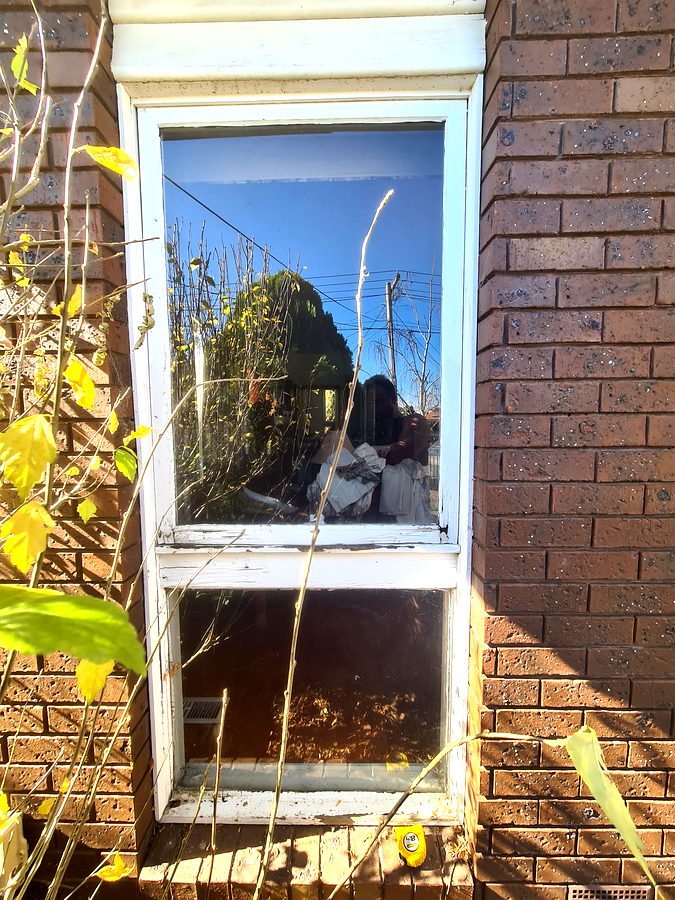
The most expensive rot repair I've ever done started as a single soft spot on a window sill that the homeowner had noticed three years earlier and put off fixing. By the time I was called, the rot had spread through the sill, up both vertical members of the frame, into the surrounding wall lining, and had compromised the structural lintel above the window. What would have been a $400 sill replacement became a two-day job involving a builder to address the structural elements. Timber rot does not wait.
How Rot Spreads
Timber rot is caused by fungal growth that requires three things: timber, moisture and oxygen. Once those conditions are present, the fungus produces enzymes that break down the cellular structure of the wood. As the rot progresses, the decaying timber absorbs and retains even more moisture than sound timber would — creating ideal conditions for continued spread.
Rot spreads laterally through timber fibres and at joints. A rotted window sill will spread up into the vertical members of the frame. A rotted door jamb will spread to the head above it. Because paint hides what's happening underneath, by the time visible symptoms appear on adjacent surfaces, the damage has typically already been progressing for months.
Water Pathways
Decaying timber creates new pathways for water ingress. A sill that has softened and cracked allows water to track behind the frame into the wall cavity. Once moisture is in the wall cavity, the scope of the damage expands dramatically — plaster, insulation, framing timber and even brickwork can be affected. What started as an exterior maintenance issue becomes an interior water damage issue.
The Cost Escalation
A simple window sill replacement — caught at the surface rot stage — typically runs $300–500. Left to active rot stage, the frame members are usually involved, pushing the cost to $600–1,000. Left to structural stage with wall penetration, you're looking at a multi-trade repair that can easily reach $3,000–5,000 and require building permits depending on what's affected.
This isn't unique to timber rot. The same cost escalation applies to almost any building defect — the earlier the intervention, the simpler and cheaper the fix. The difference with timber rot is that it's actively progressing rather than sitting static waiting to be noticed.
Security and Weather Tightness
Beyond cost, there are practical consequences to ignoring rot. A window frame that has lost structural integrity can no longer be properly secured — the lock hardware has nothing solid to anchor into. A door jamb that has rotted through doesn't provide the resistance a door needs to latch properly, and won't hold against a forced entry attempt. A rotted fascia means the guttering is no longer properly supported, which creates drainage failures that compound the original problem.
When to Act
If you've noticed soft paint, discolouration or any sponginess in external timber joinery — now is the right time. Send me photos and I'll tell you exactly where you're at and what it needs. The worst outcome is you find out it's minor and you've spent two minutes taking photos.
Send Photos, Get a Quote
Based in Moorabbin, serving the full Bayside corridor. Fill in the quote form and attach a few photos — I'll get back to you with an honest assessment.
Get a Quote