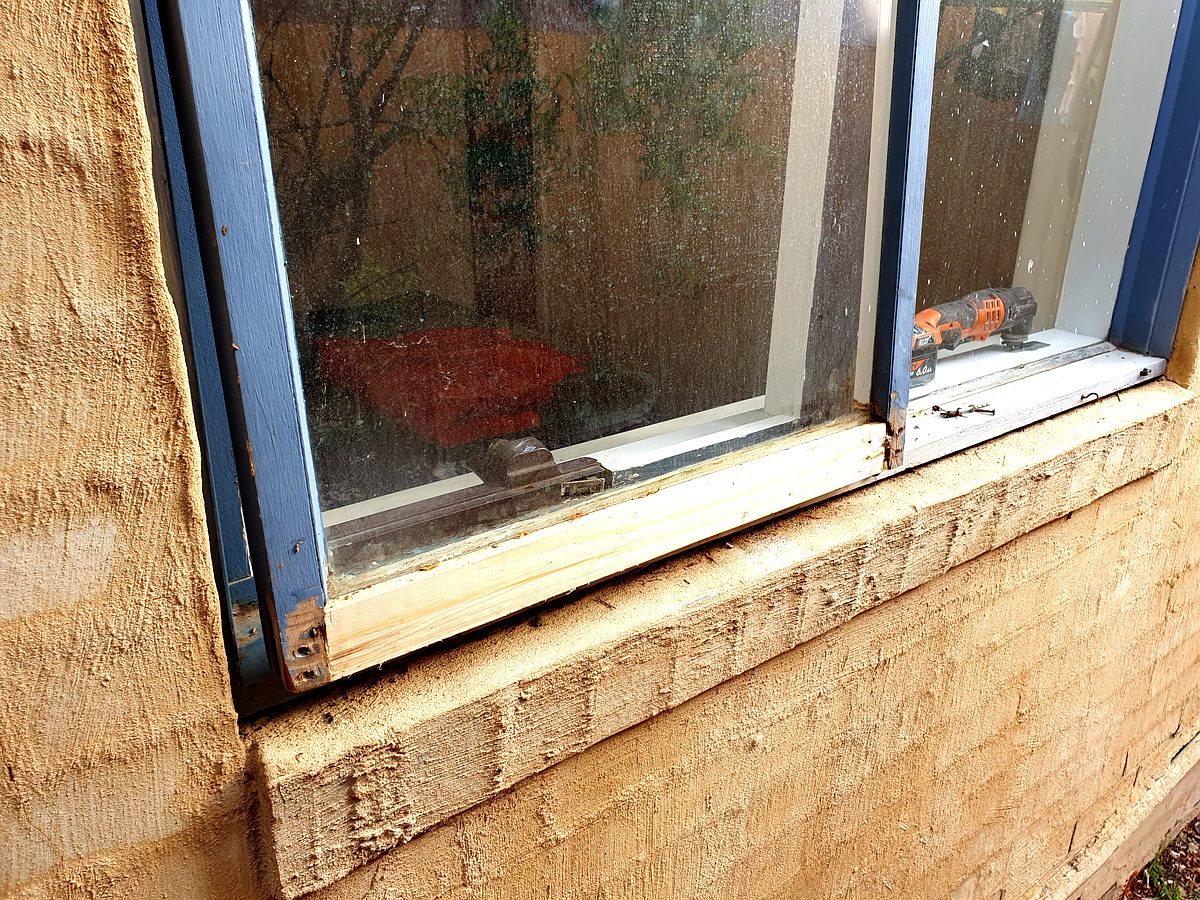
I finish every rot repair I do in a state that's ready for paint — primed, filled, sanded, edges sealed. But I also get called back to jobs where the paint has lifted within a year of a repair someone else did, or where the homeowner painted over a repair themselves and it's already cracking. The timber work was fine. The paint system was wrong. Here's what actually works.
Why Rot Repairs Are Different to Paint on Sound Timber
A rot repair involves new timber, timber filler (like Builders Bog), and possibly stabilised but previously compromised timber adjacent to the repair. Each of these surfaces has different porosity, different movement characteristics, and different adhesion requirements. Painting over them with a standard house paint without the correct primer system produces a cosmetically acceptable result that fails prematurely.
Step 1 — Stabilise Any Adjacent Timber
If the repair is adjacent to timber that was previously rotted but is now dry and structurally adequate, apply a penetrating timber hardener before priming. This consolidates the fibres and reduces porosity. Allow it to cure fully — typically 24 hours minimum — before proceeding.
Step 2 — Prime New Timber
New treated pine needs to be primed on all surfaces — including the back and ends — before installation where possible, and on all exposed surfaces after. Use an oil-based primer for external bare timber. Water-based primers can be used on treated pine but oil-based provides better penetration and adhesion, particularly on resinous timber. Allow full cure time per the manufacturer's specification — don't rush this step.
Step 3 — Fill and Fair
Once the primer has cured, fill any remaining voids or transitions with a compatible exterior filler. Parchem Builders Bog is suitable for this application — it sets hard, sands cleanly, and takes paint well. Build up in layers if needed rather than applying a thick single coat, which can crack as it cures. Sand back to a smooth transition between filler, new timber and existing timber.
Step 4 — Spot Prime
Re-prime any areas that were sanded back to bare filler or bare timber. The goal is a continuous sealed surface before topcoating.
Step 5 — Topcoat
Use a quality exterior paint rated for timber. On horizontal surfaces like window sills, use a product with good water-shedding properties — some exterior paints are formulated specifically for horizontal applications. Apply two coats minimum, allowing full cure between coats. Pay particular attention to end grain and joints — these are where paint typically fails first and where water re-enters.
One Thing Most People Skip
Caulking the joints. Before topcoating, run a bead of flexible exterior sealant along the joint between the repaired frame member and the wall, between sill and frame, and anywhere two surfaces meet. This is the primary weather barrier for the joint. Paint alone bridges a joint poorly — it cracks at the line of movement and opens up the same pathway that caused the original rot.
Get these steps right and a rot repair should outlast the original timber it replaced. Skip them and you're repainting — or re-repairing — within a few years.
Send Photos, Get a Quote
Based in Moorabbin, serving the full Bayside corridor. Fill in the quote form and attach a few photos — I'll get back to you with an honest assessment.
Get a Quote